
Breaking News
The “Landslide” or the “Lens”? Bangladesh’s 2026 Election and the Silence of the Lambs

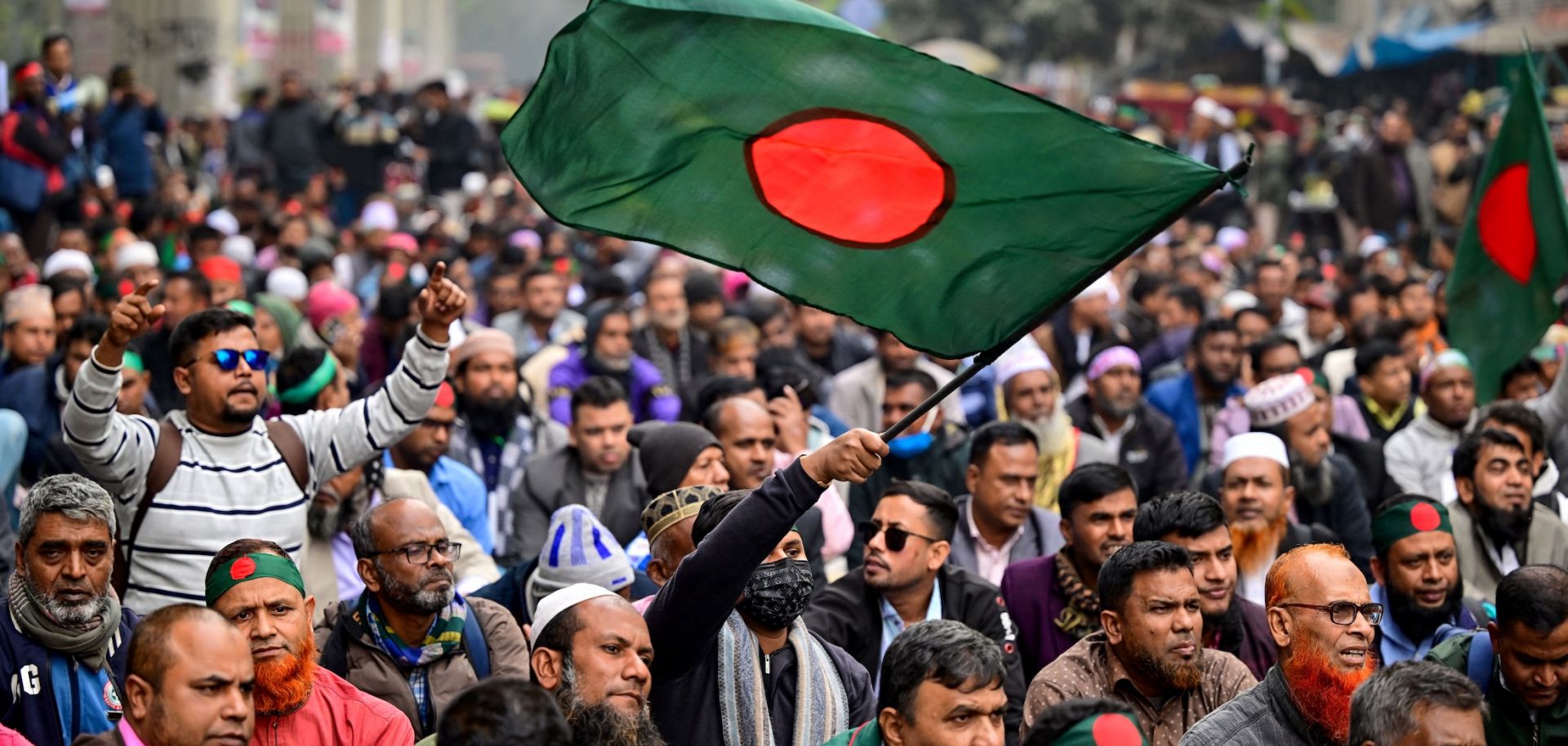
Nearly twenty years after they last held the keys to the capital, the Bangladesh Nationalist Party (BNP) has officially returned to government. The Election Commission’s gazette on Saturday confirmed the “landslide” 212 seats for the BNP-led alliance, with its main rival, the Jamaat-e-Islami, trailing with 77.
On the surface, it looks like a victory for democracy. But at BDNewsNet.com, our loyalty is to the Nation, not the system. And the system just gave us a result that many—from student leaders to veteran observers—are calling “Election Engineering” at its most clinical.
The Victory of the Son
Tarique Rahman, set to be the next Prime Minister, addressed a jubilant crowd in Gulshan on Friday. It was a bittersweet moment; his mother, the legendary Khaleda Zia, passed away on December 30, just weeks before she could see her party return.
“We’ve taken Bangladesh back,” activist Kamal Hossain told me outside the BNP office. He was emotional, citing the 1,400 martyrs of the July 2024 uprising that finally broke the back of the Hasina regime. But while Kamal cheers, the streets of Dhaka remained eerily quiet on Friday. The BNP “urged calm,” but was it calm, or was it a collective breath-holding?
The Question the Media Didn’t Report
Here is the “Revision of Truth” we promised you. In the first press briefing held by the BNP, veteran journalist Khaled Mohiuddin did something that seems to be a dying art in Bangladesh: he asked a real question.
Mohiuddin directly questioned Tarique Rahman about allegations of “election engineering” and manipulation. The response from Rahman was a standard defense of the results, but the real story is what happened next. Or rather, what didn’t.
Not a single major media house reported on the exchange. In a country that supposedly just “freed” its media from the Hasina-era gag orders, the silence was deafening. It projects a hard truth: the media is already pivoting to subordinate themselves to the new power and the “deepstate” actors behind them.
Watching the Few to Guard the Millions
Why would a landslide be “engineered”? The answer lies in the geopolitical chessboard.
- The “Jamaat” Factor: It is no secret that India, many Western powers, and the Bangladesh defense establishment are terrified of a Jamaat-e-Islami victory. They see it as a security risk and a blow to the nation’s “global image.”
- The Result: If the people actually voted for Jamaat in higher numbers, but the “system” decided that wouldn’t “look good” to New Delhi or Washington, was the election truly about the people’s will?
- The Counter-Argument: BNP gets 49.97% of the vote, Jamaat gets 31.76%. On paper, the math works. But when Returning and Presiding Officers are accused of bias, the math becomes a mural painted by the state.
The “Donroe” Effect in South Asia?
Just as Trump views Venezuela through a 19th-century lens, we are seeing a “spheres of influence” game in South Asia. If the 2026 election was managed to ensure a “palatable” result for regional neighbors, then we haven’t protected the values of the Founders—we’ve just traded one set of masters for another.
Nahid Islam, the Convener of the National Citizen Party (NCP), didn’t hold back. At a rally in Narsingdi, he alleged that efforts were underway to bring a “particular party” to power through engineering. He warned that the same 31-point reform promises made before the uprising are already being forgotten.
Intellectual Fairness: The Road Ahead
Let’s be fair: Tarique Rahman has pledged to restore civil liberties. The BNP has a chance to prove the skeptics wrong. But it’s hard to build a “rights-based state” on a foundation of suppressed questions and “engineered” gazettes.
The real test isn’t the swearing-in on Tuesday. The test is whether rice actually hits Tk 10 (as once promised by the last regime and failed) or if young people finally get the jobs they were promised.
The people didn’t die in 2024 for a change in logo; they died for a change in soul. If the BNP wants to “rebuild the nation,” they need to start by answering the questions they’d rather ignore.
What do you think? Was this a clean win, or a “managed” transition to keep the neighbors happy? Sound off in the comments.
